

Building and common-area cleaning

A recurring cleaning plan built around traffic, surfaces, access hours and the expectations of your property.

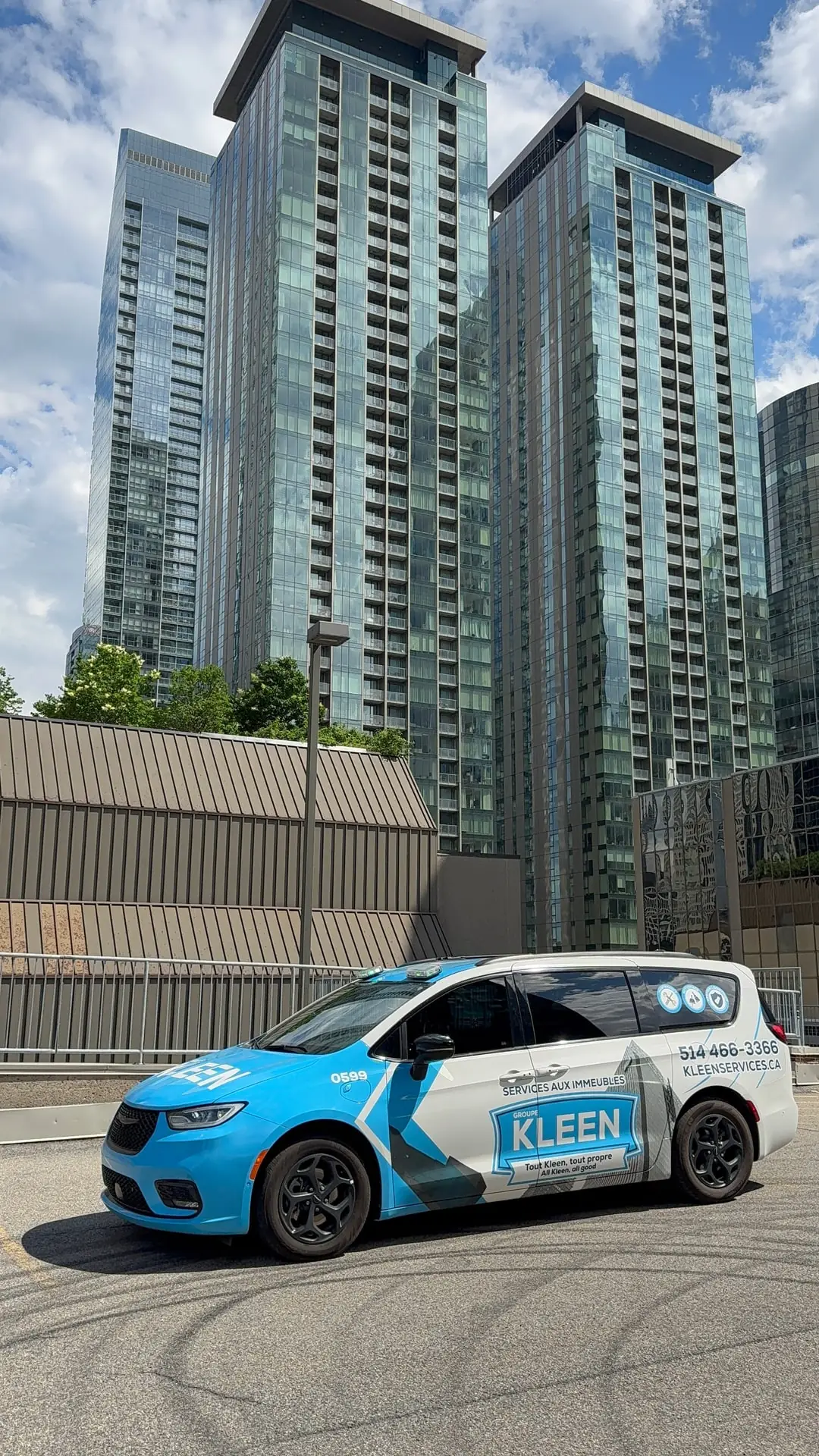
Side of a KLEEN minivan outside glass-fronted buildings
Groupe KLEEN service

The mandate follows the site’s reality.

The final scope depends on the property and is confirmed in the proposal, with planning adapted to the site.

Possible frequency
Daily or periodic
Typical context
Daily or periodic cleaning
Assess this service

What the mandate can include.

This list is a starting point. Spaces, equipment and responsibilities are specified in the proposal.

  • 01Entrances, lobbies and corridors
  • 02Stairs and elevators
  • 03High-touch surfaces
  • 04Shared rooms and common areas
  • 05Agreed periodic tasks

From assessment to follow-up.

The steps are adapted to the mandate. The scope and follow-up method are defined before work begins.

  • Daily or periodic cleaning
  • Occupied, high-traffic property
  • A consistent standard across several areas
  1. 01
    Site walkthrough

    In an occupied building, cleaning should follow actual routes: lobby, elevators, floors and secondary access. One frequency everywhere can leave a busy entrance underserved while spending time unnecessarily in a quieter area.

  2. 02
    Frequency definition

    Provide floors and access points, surfaces, busy hours and move dates. Share access codes through the agreed channel, never through a public form.

  3. 03
    Visit scheduling

    The team works in released areas according to agreed instructions. Access limitations or changed conditions are reported before modifying the scope.

  4. 04
    Follow-up and adjustments

    The review distinguishes treated areas, closed areas and periodic needs. Recurring issues inform a review of frequency or scope rather than automatically adding a task.

A frequency adapted to the site.

Service windows are confirmed according to access and property constraints.

01Daily or periodic
02Before or after peak traffic
03Seasonal work integrated into the plan

What is confirmed before starting

The areas, frequency, responsibilities and agreed periodic tasks.

The practical needs behind the service

In an occupied building, cleaning should follow actual routes: lobby, elevators, floors and secondary access. One frequency everywhere can leave a busy entrance underserved while spending time unnecessarily in a quieter area.

  • Entrances: tracked-in dirt and mat condition
  • Circulation: floors, stairs and touchpoints
  • Shared spaces: use, furniture and schedules

What management prepares

Provide floors and access points, surfaces, busy hours and move dates. Share access codes through the agreed channel, never through a public form.

What the follow-up records

The review distinguishes treated areas, closed areas and periodic needs. Recurring issues inform a review of frequency or scope rather than automatically adding a task.

Illustrative situation

A busy lobby and an occasionally used shared room may receive different frequencies, agreed after assessment.

Before planning this service

Is every area treated on every visit?

No. The plan specifies recurring and periodic tasks by area. Unavailable access is recorded.

How can the plan adapt in winter?

Record accumulation, busy periods and affected entrances. Adjustments are reviewed with management.

What influences the proposal?

Target areas, condition, frequency, access, consumables and periodic work. Scope is confirmed after reviewing these factors.

How do I request additional work?

Describe the area and need to management. Additions are assessed and accepted before changing the program; they are not automatically included.

Let’s assess this service for your property.

The scope and planning for “Building cleaning” will be confirmed for your site.

Request a quote